

Understanding Fluid, Electrolyte, and Acid-Base Disorders: Key Aspects for Nutrition Professionals

Purchase this Product
Shipping after February 14, 2025.
Review normal physiology and various disease states in relation to fluid, electrolyte, and acid-base balance with this case based self-study course!
This continuing professional education self-study course includes required reading that reviews common clinical scenarios related to fluid, electrolyte, and acid-base balance. It provides a succinct discussion of both normal physiology and common alterations seen with a variety of disease states. The chapters are presented in an easy-to-read format, typically concluding with case studies and practice questions that enhance knowledge and understanding.
Upon completion of the required reading, learners will work through the continuing professional education self-assessment exam. This case study-based exam will assess understanding of fluid, electrolyte, and acid-base balance and subsequent disorders that may accompany various disease pathologies. Case studies cover general knowledge, information that will help the practitioner provide recommendations to the healthcare team regarding appropriate nutritional management, and a specific patient case study on kidney disease, cirrhosis, and colon cancer.
This CPE is appropriate for RDNs and NDTRs.
Course includes hard copy book, electronic test, and 1 certificate with passing grade.
Already have the book? Under “Product Options” simply choose “CPE Test Only” to purchase the CPE Self-Study Program.
After completion of this CPE program, the participants will be able to:
- Analyze and interpret data to form valid conclusions and to make recommendations regarding the appropriate management of fluid, electrolyte, and acid-base disorders.
- Integrate new knowledge of disease states and clinical conditions that result in alterations in fluid, electrolyte, and acid-base balance into nutrition practice.
- Recommend biochemical tests and review corresponding results to support diagnoses and plans of care that will address nutrition-related concerns surrounding fluid, electrolyte, and acid-base balance.
- Prioritize nutrition problems specific to fluid, electrolyte, and acid-base balance to inform nutrition care plans and processes.
This course is intended for: RDNs and NDTRs
Understanding Fluid, Electrolyte, and Acid-Base Disorders: Key Aspects for Nutrition Professionals Course awards 35 CPEUs in accordance with the Commission on Dietetic Registration CPEU Approval.
CDR Activity Number: 186605 Self Study Activity Type: 741 Enduring
CDR Course Level: II
Suggested CDR Performance Indicators:
- 7.2.3 Analyzes and interprets data to form valid conclusions and to make recommendations.
- 9.2.4 Integrates new knowledge of disease states and clinical conditions into practice.
- 11.2.8 Recommends biochemical tests and reviews results to support diagnoses and plans of care.
- 11.3.3 Prioritizes specific nutrition problems to inform nutrition care plans and processes.
Note: Numerous other Performance Indicators may apply.
The answer to Test Your Knowledge is, “c. Isotonic saline (0.9% NaCl).”
This self-study course includes required reading, a downloadable course document and an online exam with multiple choice, case study based questions. Upon passing the test, the learner can download and print the certificate.
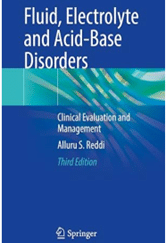
Required Reading for this Course: Fluid, Electrolyte and Acid-Base Disorders: Clinical Evaluation and Management, 3rd Edition (2023)
Disclaimer: The text associated with this course is required solely for the course taker to learn the underlying principles that will be applied in taking a case-study based exam. Neither the authors nor the publishers of the text/book have contributed to or endorsed this course.
Praise for Becky Dorner & Associates
Food Code 2022 Course
Marcy Cook, RDN, LD
Food Code 2022 Course
Marcy Cook, RDN, LD
Using Physical Activity as a First Step to Treat Elevated Blood Pressure or Cholesterol Short Course
Jonathan Gonzalez, MS, RD, LD
Using Physical Activity as a First Step to Treat Elevated Blood Pressure or Cholesterol Short Course
Jonathan Gonzalez, MS, RD, LD
The Relationship Between Malnutrition and Pressure Injury in Vulnerable Populations Short Course
Lori Stevens, RD, LDN
The Relationship Between Malnutrition and Pressure Injury in Vulnerable Populations Short Course
Lori Stevens, RD, LDN
Aimee Shea, MPH, RDN, CCMS, LD
Aimee Shea, MPH, RDN, CCMS, LD
Cardiovascular Disease Risk and Dietary Cholesterol Intake Short Course
Janice Baker, RDN, CDCES, CNSC, BC-ADM
Cardiovascular Disease Risk and Dietary Cholesterol Intake Short Course
Janice Baker, RDN, CDCES, CNSC, BC-ADM
Developing Coaching Skills: A Concise Introduction
Amy Fischl, MS, RDN, LDN, BC-ADM, CDCES
Developing Coaching Skills: A Concise Introduction
Amy Fischl, MS, RDN, LDN, BC-ADM, CDCES
Related Products



Popular Products

Join Our FREE eNewsletter & Create An Account
Get 20% off your first order and receive regular updates and new product announcements! Create an account now.

Reviews
There are no reviews yet.